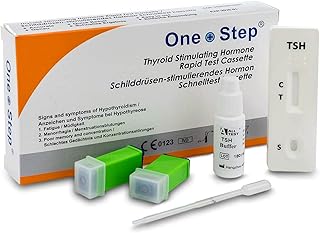
comparing thyroid function tests for optimal health management
Thyroid function tests are vital in diagnosing and managing various thyroid disorders, which can significantly impact overall health. For 2026, it is essential to understand the different tests available to ensure optimal health management. This article compares the most common thyroid function tests, providing insights into their benefits and limitations.
Thyroid Stimulating Hormone (TSH) Test
The TSH test is often the first line of defence in assessing thyroid function. It measures the level of Thyroid Stimulating Hormone in the blood, which indicates how well the pituitary gland communicates with the thyroid. High TSH levels suggest an underactive thyroid or hypothyroidism, while low levels can indicate an overactive thyroid or hyperthyroidism. The TSH test is highly sensitive and relatively inexpensive, making it a popular choice among healthcare providers. However, it may not provide a full picture of thyroid health as it does not measure hormone levels directly.
Free Thyroxine (FT4) Test
The FT4 test measures the level of free thyroxine in the bloodstream, which is the active form of the hormone produced by the thyroid gland. This test is particularly useful for diagnosing hypothyroidism, as low levels of FT4 can confirm an underactive thyroid. FT4 levels can also help assess treatment effectiveness in individuals already diagnosed with thyroid disorders. One drawback of the FT4 test is that it can be influenced by various factors, including medications and other health conditions, which may lead to misleading results.
People Also Look For:
Free Triiodothyronine (FT3) Test
The FT3 test measures the level of free triiodothyronine, another important thyroid hormone. It is especially relevant in cases of hyperthyroidism, where elevated FT3 levels can indicate excessive thyroid activity. Some healthcare providers may recommend the FT3 test in conjunction with TSH and FT4 tests for a more comprehensive view of thyroid function. However, FT3 levels can fluctuate more than FT4, making it a less reliable indicator for some patients. It is also important to note that not all labs routinely perform the FT3 test, which can limit accessibility.
Thyroid Antibody Tests
In cases where autoimmune thyroid disease is suspected, thyroid antibody tests play a critical role. These tests measure the presence of antibodies that attack the thyroid gland, such as anti-thyroid peroxidase (anti-TPO) and anti-thyroglobulin antibodies. Elevated levels of these antibodies typically indicate autoimmune conditions like Hashimoto's thyroiditis or Graves' disease. While these tests can provide valuable information about the underlying cause of thyroid dysfunction, they are not routinely performed unless an autoimmune disorder is suspected.
Thyroid Ultrasound
While not a blood test, thyroid ultrasound is an imaging test that can help assess the structure of the thyroid gland. It is particularly useful for detecting nodules or enlargement within the thyroid. An ultrasound can guide further testing or biopsies if nodules are detected. Although it does not measure hormone levels, it can be an important tool in the overall evaluation of thyroid health, particularly in patients with abnormal findings on blood tests.
Practical Tips for Patients
When considering thyroid function tests, it is essential to discuss your symptoms and health history with your healthcare provider. Make sure to inquire about the specific tests being recommended and why they are appropriate for your situation. If you are undergoing treatment for a thyroid disorder, regular monitoring of your hormone levels is crucial for optimal management. Additionally, be aware of any medications that may interfere with test results and inform your healthcare provider accordingly.