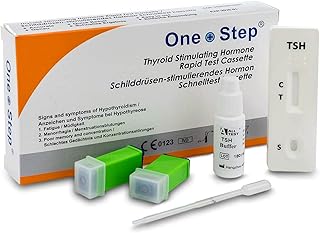
first steps to understanding your thyroid test results
Understanding your thyroid test results can feel overwhelming, especially if you are new to the subject. Your thyroid plays a crucial role in regulating your metabolism, energy levels, and overall health. Knowing how to interpret your results can empower you to manage your health effectively. In this article, we will guide you through the initial steps to understand your thyroid test results, including what tests are typically conducted and how to interpret the numbers.
Common Thyroid Tests
There are several tests that your healthcare provider may use to assess your thyroid function. The most common ones include:
- TSH Test: Thyroid Stimulating Hormone (TSH) is produced by the pituitary gland and regulates the thyroid gland's production of hormones. A high TSH level usually indicates that your thyroid is underactive, while a low level suggests overactivity.
- T4 Test: This measures the amount of Thyroxine (T4) in your blood, the main hormone produced by the thyroid gland. Normal levels mean your thyroid is functioning well, but low levels can indicate hypothyroidism.
- T3 Test: Triiodothyronine (T3) is another hormone produced by the thyroid. It is less commonly tested but is crucial for diagnosing certain thyroid disorders.
Understanding the Numbers
When you receive your test results, they typically include numerical values alongside the normal range for each test. Here is how to interpret these results:
People Also Look For:
- TSH Levels: Generally, a normal range is between 0.4 and 4.0 mIU/L. If your TSH is above 4.0, it may indicate hypothyroidism, while a level below 0.4 may suggest hyperthyroidism.
- T4 Levels: For free T4, the normal range usually lies between 10 to 23 pmol/L. Lower than this may indicate an underactive thyroid, while higher levels could indicate overactivity.
- T3 Levels: Normal T3 levels are typically between 4.0 and 8.5 pmol/L. Similar to T4, elevated levels can signal hyperthyroidism.
Consider Your Symptoms
While numbers are essential, your symptoms provide vital context to your results. Common symptoms of hypothyroidism include fatigue, weight gain, and sensitivity to cold, while hyperthyroidism may present with weight loss, anxiety, and rapid heartbeat. Discussing these symptoms with your doctor can help them interpret your results accurately.
Consult with Your Healthcare Provider
Once you have your results, it is crucial to discuss them with your healthcare provider. They can explain what the numbers mean in the context of your overall health. If your results fall outside the normal range, your doctor may suggest further testing or adjustments to your treatment plan.
Follow Up on Additional Tests
Sometimes, initial tests may not provide a full picture of your thyroid health. Your doctor may recommend additional tests, such as antibody tests for Hashimoto's disease or Graves' disease, which are autoimmune conditions affecting thyroid function. Be open to follow-up testing as it can lead to a better understanding of your condition.
Stay Informed and Engaged
Understanding your thyroid health is a journey. Stay informed about your condition and treatments, and don’t hesitate to ask questions during your medical appointments. Online resources and support groups can provide valuable information and encouragement.