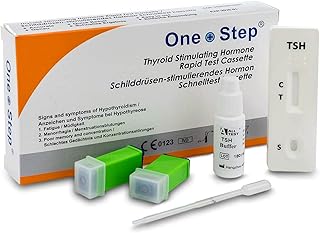
navigating thyroid testing options for accurate health insights
In the realm of healthcare, understanding the nuances of thyroid testing can empower you to make informed decisions about your health. With the prevalence of thyroid disorders increasing, especially in women, being proactive about understanding your thyroid function is essential. As we navigate through 2026, the available testing options have evolved, allowing individuals to have greater access to accurate and comprehensive health insights.
Understanding Thyroid Function
The thyroid gland plays a crucial role in regulating metabolism, energy levels, and overall hormonal balance. There are several key hormones it produces, including thyroxine (T4) and triiodothyronine (T3). If you suspect a thyroid issue, it's vital to identify whether your thyroid is underactive (hypothyroidism) or overactive (hyperthyroidism). This is where thyroid testing comes into play.
Types of Thyroid Tests
There are several types of thyroid tests available, each serving a specific purpose in diagnosing thyroid conditions. The most common tests include:
TSH Test
The Thyroid Stimulating Hormone (TSH) test is often the first step in assessing thyroid function. Produced by the pituitary gland, TSH signals the thyroid to produce T3 and T4. A high TSH level typically indicates an underactive thyroid, while a low level may suggest an overactive thyroid.
People Also Look For:
T4 and T3 Tests
Following the TSH test, healthcare providers often order tests for T4 and T3 levels. While T4 is the primary hormone produced by the thyroid, T3 is the more active form. Measuring both can provide a clearer picture of thyroid health and functionality.
Thyroid Antibody Tests
In cases where autoimmune thyroid disease is suspected, such as Hashimoto's thyroiditis or Graves' disease, thyroid antibody tests may be conducted. These tests check for the presence of antibodies that may indicate an autoimmune response affecting thyroid function.
Choosing the Right Test
When considering thyroid testing, it is crucial to consult with a healthcare professional who can assess your symptoms and recommend the appropriate tests. Discuss your symptoms openly, as this will aid in determining the most effective testing strategy. Understanding your family history and any existing health conditions can also guide the testing process.
At-Home Testing Kits
With advancements in technology, at-home thyroid testing kits have become increasingly popular. These kits allow individuals to collect samples in the comfort of their own homes and send them to a lab for analysis. While convenient, ensure that the kit you choose is reputable and accredited. Review customer feedback and check if the lab is certified to provide reliable results.
Interpreting Results
Regular Monitoring
If you have been diagnosed with a thyroid condition, regular monitoring is crucial. Your healthcare provider may recommend routine testing to track your hormone levels and adjust treatment plans accordingly. This ongoing assessment ensures that any changes in your thyroid function are addressed promptly.
The Importance of a Holistic Approach
Thyroid health is not just about hormone levels; it is influenced by various factors, including diet, lifestyle, and stress. A holistic approach to thyroid health may involve working with nutritionists or lifestyle coaches to create a balanced plan that supports overall wellbeing. Incorporating a healthy diet rich in iodine, selenium, and zinc can also be beneficial.