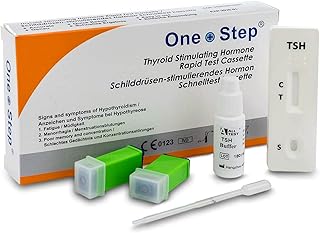
understanding thyroid tests to enhance wellness and vitality
In recent years, the importance of thyroid health has gained significant attention. The thyroid gland plays a crucial role in regulating various bodily functions, including metabolism, energy production, and mood. By understanding thyroid tests, individuals can take proactive steps to enhance their wellness and vitality. This article delves into the benefits of thyroid testing, the different types of tests available, and how to interpret the results to make informed health decisions.
Why Thyroid Tests Matter
Thyroid tests are essential for identifying any imbalances in thyroid hormone levels. An underactive thyroid, known as hypothyroidism, can lead to fatigue, weight gain, and depression, while an overactive thyroid, or hyperthyroidism, may cause anxiety, weight loss, and irritability. Regular testing can help catch these conditions early, allowing for timely intervention and treatment.
Types of Thyroid Tests
There are several thyroid tests available, each serving a unique purpose. The most commonly performed tests include:
People Also Look For:
- TSH Test: The Thyroid Stimulating Hormone test measures the level of TSH in the blood. High TSH levels often indicate an underactive thyroid, while low levels suggest an overactive thyroid.
- T4 Test: The Thyroxine test measures the level of T4 hormone, which is produced by the thyroid gland. This test can help determine how well the thyroid is functioning.
- T3 Test: The Triiodothyronine test assesses the level of T3 hormone, which is critical for metabolism. It is usually ordered if a hyperthyroid condition is suspected.
- Thyroid Antibody Tests: These tests determine if the immune system is attacking the thyroid gland, as seen in conditions like Hashimoto’s thyroiditis or Graves’ disease.
Interpreting Thyroid Test Results
Understanding the results of thyroid tests is crucial for effective management. Normal ranges can vary slightly between laboratories, but generally, the following ranges apply:
- TSH: 0.4 to 4.0 mIU/L
- T4: 5.0 to 12.0 µg/dL
- T3: 80 to 180 ng/dL
If your results fall outside these ranges, it is essential to discuss them with a healthcare professional who can provide personalised insights and recommendations. Often, symptoms and test results together can give a clearer picture of thyroid health.
Practical Advice for Monitoring Thyroid Health
To maintain optimal thyroid health, consider the following practical tips:
- Regular Testing: If you experience symptoms linked to thyroid dysfunction or have a family history of thyroid disorders, regular testing is advisable.
- Healthy Diet: Consuming a diet rich in iodine, selenium, and zinc can support thyroid function. Foods like fish, eggs, nuts, and leafy greens are beneficial.
- Manage Stress: Chronic stress can impact thyroid health. Incorporating mindfulness practices like yoga and meditation can help reduce stress levels.
- Adequate Sleep: Quality sleep is vital for hormone regulation. Aim for 7 to 9 hours of restful sleep each night.
- Stay Hydrated: Proper hydration supports overall metabolic functions, including those managed by the thyroid.
The Future of Thyroid Testing
As technology advances, the future of thyroid testing looks promising. New methods are emerging that may provide quicker results and more accurate assessments of thyroid health. Continuous research in this area aims to enhance our understanding of thyroid disorders and improve treatment options, ultimately leading to better health outcomes for individuals.