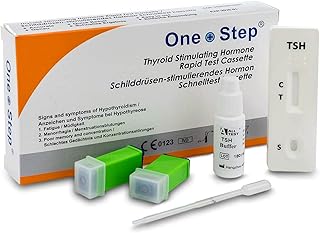
comprehensive care tips for managing thyroid test results
Understanding your thyroid test results is crucial for maintaining your overall health. The thyroid gland plays a significant role in regulating metabolism, energy levels, and even mood. When you receive your test results, it is essential to interpret them accurately and take proactive steps to manage your thyroid health. Here are some comprehensive care tips to help you navigate the complexities of thyroid testing and results management.
Understanding Thyroid Function Tests
Thyroid function tests typically measure levels of Thyroid Stimulating Hormone (TSH), Free Thyroxine (T4), and sometimes Triiodothyronine (T3). Elevated TSH levels often indicate hypothyroidism, where the thyroid is underactive, while low TSH levels may suggest hyperthyroidism, an overactive thyroid condition. Familiarise yourself with the normal ranges for these hormones, which can vary among laboratories, to better understand your results.
Interpreting Your Results
When you receive your test results, it is vital to review them with your healthcare provider. They can help explain what the numbers mean and whether they fall within the normal range. It is important to remember that individual symptoms and health history can affect how you should respond to your thyroid levels. If your results are abnormal, having a detailed discussion about potential next steps, including further testing or treatment options, is essential.
People Also Look For:
Maintaining a Healthy Diet
Your diet can significantly impact thyroid health. Incorporating foods rich in iodine, selenium, and zinc is beneficial. Iodine-rich foods include fish, dairy, and iodised salt. Selenium, found in Brazil nuts and seafood, supports thyroid function, while zinc from nuts and seeds aids hormone production. Avoiding excessive soy products and cruciferous vegetables, which can inhibit thyroid function in large amounts, may also be prudent. Always consult with a registered dietitian if you have concerns about your dietary choices.
Regular Monitoring of Thyroid Levels
If you have been diagnosed with a thyroid condition, regular monitoring of your thyroid levels is crucial. Your healthcare provider may recommend annual blood tests or more frequent checks depending on your specific situation. Keeping track of how your levels fluctuate over time can help you and your doctor make informed decisions regarding treatment adjustments.
Adhering to Medication Routines
If you are prescribed thyroid medication, taking it consistently is vital. For hypothyroidism, levothyroxine is commonly prescribed, and it should be taken on an empty stomach, typically in the morning. Ensure you follow the prescribed dosage and timing, and notify your doctor if you experience side effects or if your symptoms change. Regular follow-ups can help adjust your medication as needed.
Managing Symptoms and Lifestyle Changes
Managing symptoms is an integral part of thyroid care. If you experience fatigue, weight changes, or mood swings, discuss these with your healthcare provider. They may suggest lifestyle changes such as regular physical activity, stress management techniques, and adequate sleep, all of which can help mitigate symptoms. Mindfulness practices, yoga, or meditation can also greatly enhance your wellbeing.
Building a Support System
Connecting with others who have thyroid conditions can provide emotional support and valuable insights. Consider joining a local support group or participating in online forums and communities. Sharing experiences and tips with others can help you feel less isolated and more empowered in managing your health.
Staying Informed About Thyroid Health
Education is key when it comes to managing thyroid health. Stay informed about the latest research, treatments, and recommendations by following reputable health websites and organisations. Regularly discuss new findings and concerns with your healthcare provider to ensure you are implementing the best practices for your thyroid care.